


When winter arrives, safety plans often focus on what happens inside—entrance mats, heating systems, and emergency protocols. But real winter safety starts well before anyone steps through the door.
It begins in the parking lot, one of the most vulnerable areas to slip-and-fall risks, accessibility challenges, and liability concerns. Cracks, poor drainage, faded striping, and icy conditions can quickly turn this busy space into a high-risk zone. But you can proactively manage winter pavement hazards before they become major problems.
Key Winter Hazards in Parking Lots
-
Trip Hazards Hidden Beneath Snow and Ice
Cracks, potholes, and uneven surfaces pose a significant risk during winter, especially when concealed by snow or ice. Even minor surface defects can cause serious injuries when visibility is low and footing is unstable.
What to Do:
- Conduct a full parking lot inspection before the first snow.
- Repair surface damage early to avoid costly emergency fixes.
- Use cones or signage to mark known hazards until repairs can be completed.
-
Faded ADA Striping and Inadequate Markings
Worn-out parking lot lines and ADA striping can become nearly invisible during the winter, especially in low-light conditions or after snowfall. This not only creates confusion but may also lead to non-compliance with federal accessibility regulations.
What to Do:
- Re-stripe key areas in the fall using reflective, weather-resistant paint.
- Make sure ADA spaces, access aisles, and loading zones are clearly marked and visible.
-
Poor Drainage and Standing Water
When snow melts or freezing rain hits, parking lots with poor drainage can accumulate puddles that freeze overnight, turning into black ice. These hidden patches create serious slip-and-fall hazards.
What to Do:
- Ensure drains and gutters are free of leaves, debris, and ice.
- Monitor problem areas where water tends to collect.
- Grade or repair surfaces that direct water toward walkways or building entrances.
-
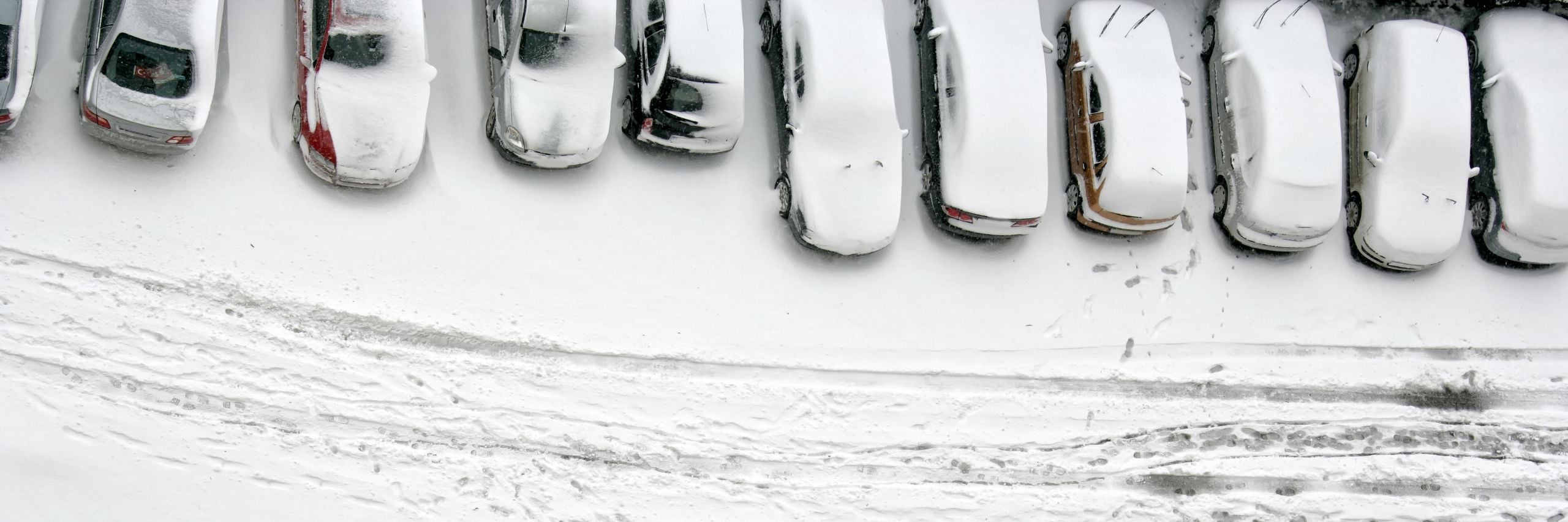
Snow and Ice Accumulation
Even with the best preparation, snow and ice are inevitable in winter. But failure to address them quickly and effectively can lead to injuries, vehicle damage, and shutdowns. Inconsistent plowing or deicing is one of the most common causes of accidents in parking lots during the winter months.
What to Do:
- Create a snow and ice removal plan with clear responsibilities and schedules.
- Stockpile deicing agents and make them accessible to staff or contractors.
- Prioritize plowing and salting in high-traffic areas, including crosswalks, entrances, and loading zones.
Why It Matters
Your parking lot may not be the first place you think of when planning for winter safety—but it should be. It’s the gateway to your building and the first impression visitors get of how well your property is maintained. More importantly, it’s a common site of accidents that are entirely preventable with the right preparation.
By taking a proactive approach to surface hazards, visibility, drainage, and snow management, you’ll reduce the risk of injury, maintain compliance, and send a clear message that safety starts the moment someone steps onto your property.
Don’t let your parking lot be the weak link in your winter safety plan—get ahead of the season and make safety visible from the moment people arrive. Ready? Let’s Pave…