




2027 Budget Planning: How to Avoid Reactive Parking Lot Repairs
For many facility managers, planning and budgeting for 2027 is already underway. It’s a complex process that involves forecasting expenses, prioritizing assets, and allocating maintenance dollars across multiple properties and regions.
One of the biggest challenges, however, is avoiding reactive repairs.
That’s where the right partnership makes a difference. Working proactively with an experienced contractor on budget planning helps reduce costly surprises, extend asset life, and create a predictable program throughout the year.
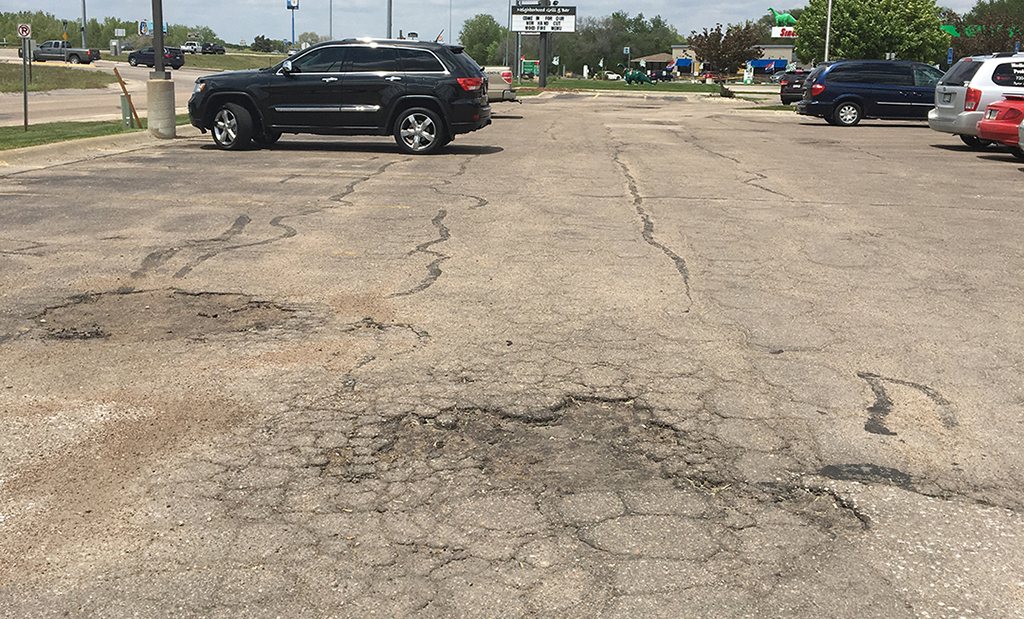
The danger of deferring maintenance is that it creates a domino effect. Small issues that go unaddressed can quickly escalate into larger, more expensive repairs, disrupting annual budgets and forcing difficult decisions about where funds get allocated.
Instead, parking lots should be viewed as critical assets. And like any asset, they perform best when managed proactively.
Keys to Success
How do you effectively budget for parking lot maintenance across a portfolio of properties in varying conditions and located in different regions?
The reality is that maintenance cannot always happen at the same time across every property. Successful planning requires a strategic approach built around three key steps:
- Budget for and perform assessments
- Develop a year-round management strategy
- Spread costs across multiple budget cycles
The goal isn’t to repair everything at once. The goal is to create a strategic maintenance roadmap that keeps assets in the best possible condition while maximizing available budget.
Invest in Assessments
Allocating funds to pavement assessments is one of the smartest investments a facility team can make. The data collected helps forecast future costs more accurately, prioritize repairs by urgency, identify preventative opportunities early, and spread costs strategically across multiple budget cycles.
A best-in-class assessment helps uncover:
- Which sites are showing early signs of deterioration
- Which lots present the highest liability risk
- Where drainage issues are accelerating pavement damage
- Which properties are nearing reconstruction thresholds
- What repairs can extend pavement life and delay major capital expenditures
Without this visibility, budgeting becomes reactive instead of strategic.
Think Year-Round
Instead of viewing parking lot maintenance as a once-a-year expense, think of it as a phased, year-round asset management strategy.
Here’s a general framework many facility teams use throughout the year:
Q1: Winter Damage Assessment & Emergency Repairs
Focus Areas:
- Pothole repairs
- Freeze-thaw damage
- Drainage issues
- Safety hazards
- Temporary patching
Early-year inspections help identify which properties require immediate attention and which can be scheduled later in the year.
Q2: Preventative Maintenance Planning
Focus Areas:
- Crack sealing
- Sealcoating schedules
- Site inspections
- ADA compliance reviews
- Budget forecasting
Summer and fall project schedules fill quickly, making early planning critical.
Q3: Major Repair & Capital Improvement Season
Focus Areas:
- Asphalt resurfacing
- Milling and paving
- Concrete replacement
- Drainage corrections
- Large-scale striping projects
Warmer weather and longer daylight hours make this the ideal time for larger-scale projects in many regions.
Q4: Budget Finalization & Asset Preservation
Focus Areas:
- Final inspections
- Remaining preventative repairs
- Snow preparation (northern climates)
- Next-year capital forecasting
- Long-term maintenance planning
This is the time to evaluate completed work, identify emerging issues, and finalize the next year’s maintenance roadmap before winter conditions arrive.
Push for Prevention
When budgets become tight, preventative maintenance is often the first thing cut. Ironically, proactive upkeep remains the best way to control long-term pavement costs.
Services like crack sealing, sealcoating, and striping can significantly extend pavement life and delay major capital expenditures.
Plus, a proactive strategy reduces emergency repairs, improves safety and curb appeal, provides better control over annual spending, and protects long-term asset value.
Plan Earlier. Spend Smarter.
At Let’s Pave, we work with facility managers, property managers, and national portfolios to develop proactive maintenance strategies that reduce surprises and protect budgets.
Our goal is to help customers stay ahead of deterioration—not react to it after the damage is done.
Ready to start planning for 2027? Let’s talk budgets.